


Your Guide to Urgent Portable Radiology

A missed change in breathing, a fall with new hip pain, or a feeding tube that needs verification can quickly become a transportation problem as much as a clinical one. This guide to urgent portable radiology explains how care teams can bring diagnostic imaging to the patient when timely answers are needed and transport is unsafe, disruptive, or impractical.
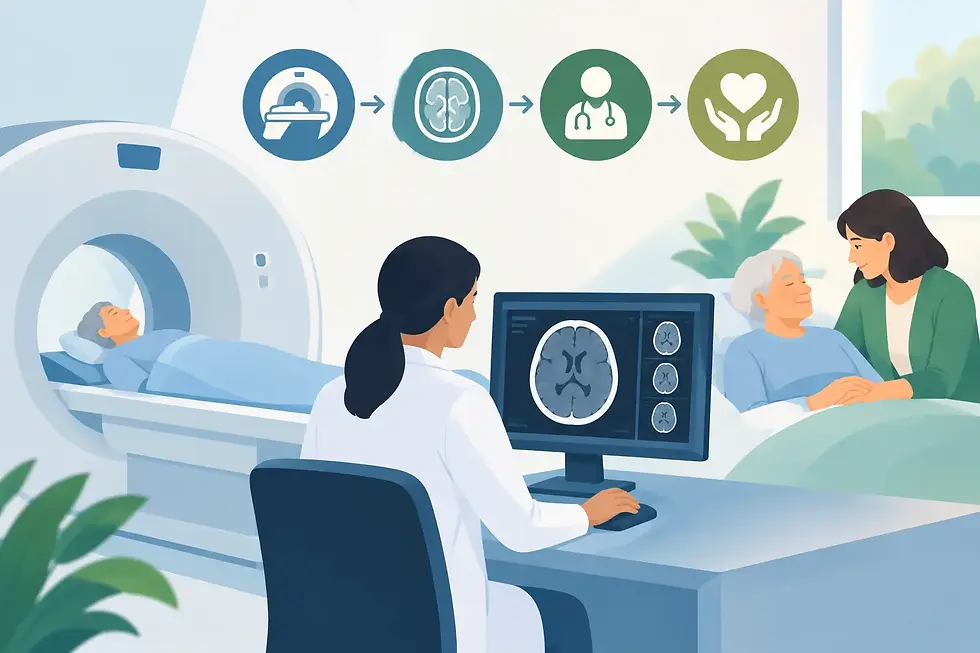
For skilled nursing facilities, home health teams, hospice providers, correctional settings, shelters, and private residences, the right response is not always an emergency department transfer. Portable diagnostics can support fast clinical decision-making at the point of care while helping patients remain in familiar surroundings whenever their condition allows.
When urgent portable radiology is the right call
Urgent portable radiology is appropriate when a provider needs diagnostic information promptly but the patient is difficult to transport or transport could worsen discomfort, risk, or delay. A mobile X-ray or ultrasound service brings trained professionals and diagnostic equipment to the bedside, facility, or home, then delivers images for physician review through a secure digital workflow.
Common urgent situations include suspected pneumonia or fluid overload, new cough or fever, possible fracture after a fall, acute joint pain, abdominal or urinary concerns, line or device placement questions, and G-tube verification. Depending on the order and clinical need, mobile diagnostic services may also support EKGs, echocardiograms, vascular ultrasounds, laboratory blood work, and other tests that help guide the next step in care.
Portable imaging does not replace emergency treatment when a patient has signs of a life-threatening condition. Severe chest pain, stroke symptoms, uncontrolled bleeding, major trauma, severe respiratory distress, loss of consciousness, or rapidly deteriorating vital signs require emergency response. The practical question is whether the patient is clinically stable enough for an on-site exam and whether the ordered test can answer the provider's immediate question.
The operational value of on-site imaging
Moving a medically fragile patient to an imaging center can require staffing, transportation coordination, transfer assistance, family communication, medication planning, and hours away from the care environment. It may expose the patient to unnecessary discomfort or infection risk. For facilities, it can also leave staffing coverage strained and delay treatment decisions.
On-site radiology reduces those barriers. The patient stays where the care team can monitor them, the ordering provider receives the needed diagnostic study, and facility staff can continue care with less interruption. In home-based care, the difference is even more direct: patients and caregivers avoid arranging a trip that may not be physically possible on short notice.
Speed matters, but speed alone is not enough. An urgent mobile diagnostic partner should combine responsive scheduling with qualified technologists, accredited processes, HIPAA-compliant image handling, and a clear path for results to reach the ordering provider. A fast exam without a dependable reporting workflow still leaves the care team waiting for answers.
How to order urgent portable radiology effectively
A complete order helps mobile teams respond without preventable back-and-forth. The ordering clinician should identify the requested study, clinical indication, patient demographics, ordering provider information, and the location where the exam will be performed. Relevant symptoms and the reason for the exam are especially important because they give the interpreting radiologist the clinical context needed to evaluate the images.
For a chest X-ray, document symptoms such as fever, productive cough, low oxygen saturation, abnormal lung sounds, or concern for pneumonia. For an extremity X-ray after a fall, include the affected area, laterality, pain level, swelling, inability to bear weight, and known injury mechanism. For ultrasound studies, specify the body area and the clinical concern, such as suspected deep vein thrombosis, abdominal pain, or urinary retention.
Facility teams should also prepare the environment before the mobile technologist arrives. Confirm the patient's room or exact home address, make sure the patient is available, identify infection-control precautions, and provide safe access to the bedside. If the patient has mobility limits, contractures, wounds, oxygen equipment, or behavioral concerns, communicate that in advance. These details help the mobile team plan positioning and complete the exam efficiently.
Questions to settle before the exam
The order should clarify three practical points: Is the study needed urgently or routinely? Who will receive and act on the results? What should happen if the findings are clinically significant? Clear escalation ownership protects patients after the technologist leaves.
It is also wise to confirm payer information and authorization requirements when applicable. Urgent care needs should not be delayed by incomplete administrative information, but accurate documentation helps prevent avoidable billing follow-up later.
What happens during a portable imaging visit
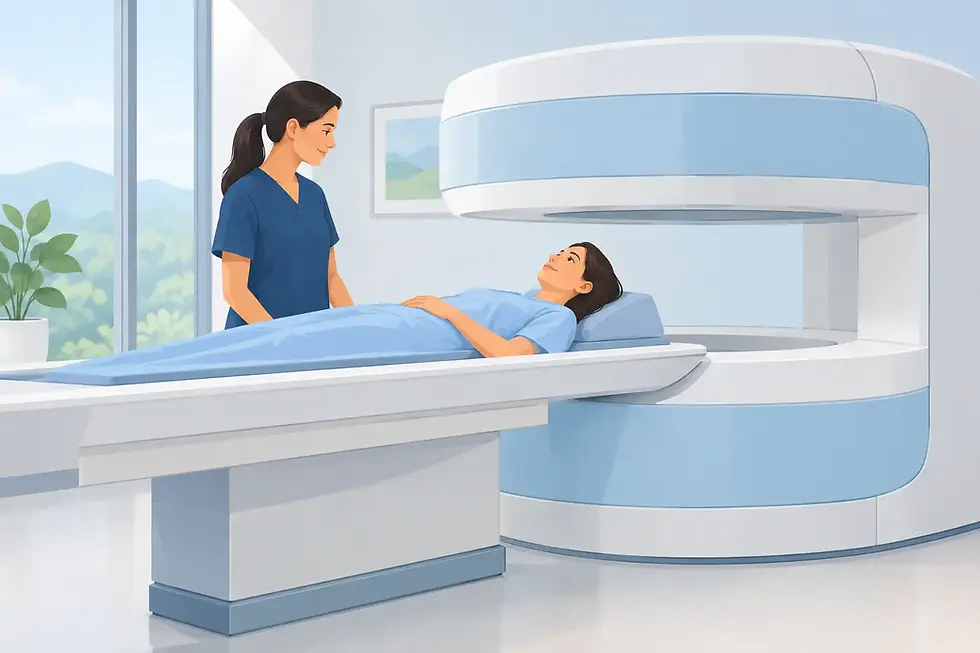
For a portable digital X-ray, the technologist brings compact equipment into the room, positions the patient as safely as possible, captures the ordered views, and verifies image quality before leaving. The study is transmitted electronically for interpretation. Digital imaging is particularly useful in bedsides and rooms where traditional positioning is not possible.
Ultrasound examinations use portable equipment and may require more time at the bedside because the sonographer captures dynamic images based on the specific clinical question. EKGs, echocardiograms, ABI testing, and laboratory services likewise can be performed on-site when ordered and available for the patient's location.
Patient comfort remains part of the clinical process. Mobile teams work around oxygen tubing, wheelchairs, beds, feeding equipment, and limited mobility. Still, some studies have inherent limitations. Image quality may be affected when a patient cannot reposition, take a deep breath, or cooperate with instructions. The interpreting clinician may recommend additional views, repeat imaging, advanced imaging, or hospital evaluation if the portable study cannot fully answer the question.
Results only help if they reach the right person
The most effective urgent imaging workflow is closed-loop. The exam is completed, images are securely available, the study is interpreted, the report reaches the ordering provider, and the care team documents the follow-up plan. That plan may be monitoring, medication adjustment, specialist referral, repeat testing, or transfer to a higher level of care.
Digital provider portals can shorten the time between image capture and physician access. They also reduce the risk of misplaced paper records and give facility teams a more organized way to retrieve prior studies when clinically appropriate. For time-sensitive findings, the diagnostic provider's communication procedures should align with the facility's escalation protocol.
Every organization should know who monitors incoming reports after hours, on weekends, and during staffing transitions. A result sent to an unattended inbox is not a completed care process. Case managers, charge nurses, and administrators can strengthen response times by defining exactly who receives reports and who contacts the provider when action is needed.
Choosing a mobile diagnostic partner
The decision should go beyond coverage area and pricing. Healthcare organizations need a partner that can respond consistently, protect patient information, provide a broad enough range of services for their population, and support secure access to images and reports. Credentials, experienced technologists, qualified interpreting physicians, and compliance standards all matter when diagnostics are being delivered outside a traditional imaging center.
Availability is equally practical. A facility managing falls, respiratory changes, feeding tube concerns, or end-of-life comfort needs cannot rely on a diagnostic schedule that only works during standard office hours. D-RAD Mobile Imaging provides 24/7 on-site diagnostic support across key Texas markets and expanding service areas, helping organizations bring ordered imaging and testing directly to the patient.
Before an urgent need arises, establish the ordering process with your mobile provider. Keep current order forms available, train staff on required documentation, confirm after-hours contacts, and make sure your team knows how to access results. Preparation turns an urgent request into an organized clinical response rather than a scramble.
When a patient cannot reasonably travel for diagnostics, timely portable radiology gives the care team a practical option: obtain the ordered study where the patient is, review the findings promptly, and make the next care decision with less disruption for everyone involved.

Comments