

Assisted Living Radiology That Keeps Care Moving

A resident develops a new cough after dinner. Another reports hip pain after an unwitnessed fall. A third has swelling in one leg that was not present that morning. In each case, the clinical question may be straightforward, but getting a frail resident to an imaging center is not. Assisted living radiology brings diagnostic testing to the facility, helping care teams obtain the information they need without making transportation the first obstacle.
For assisted living operators, physicians, nurses, and care coordinators, on-site diagnostics are not simply a convenience. They can reduce resident disruption, limit avoidable transfers, support timely physician decisions, and keep staff focused on care rather than travel logistics.
What Assisted Living Radiology Includes
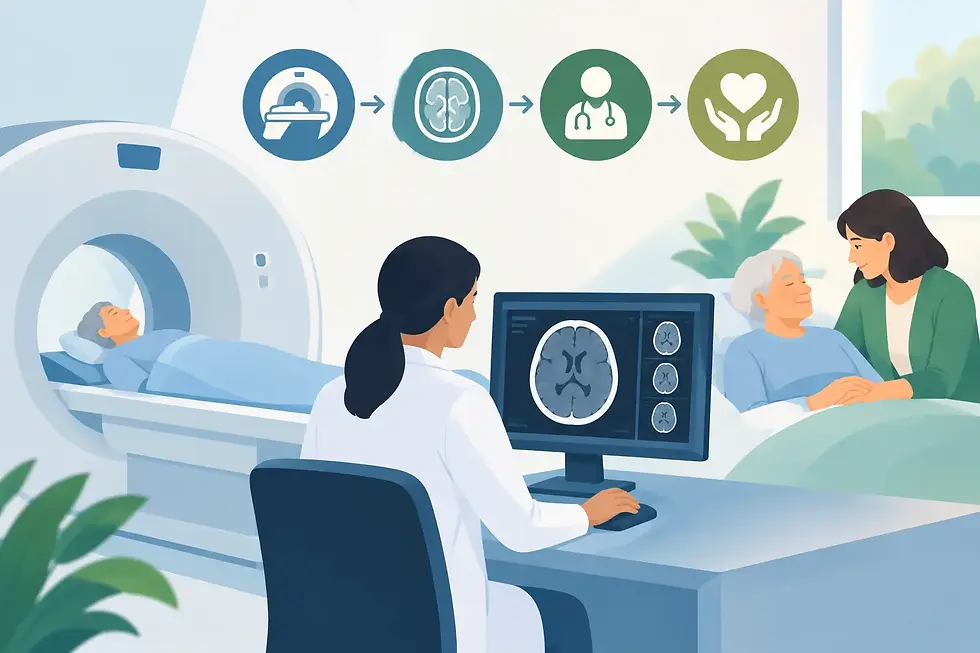
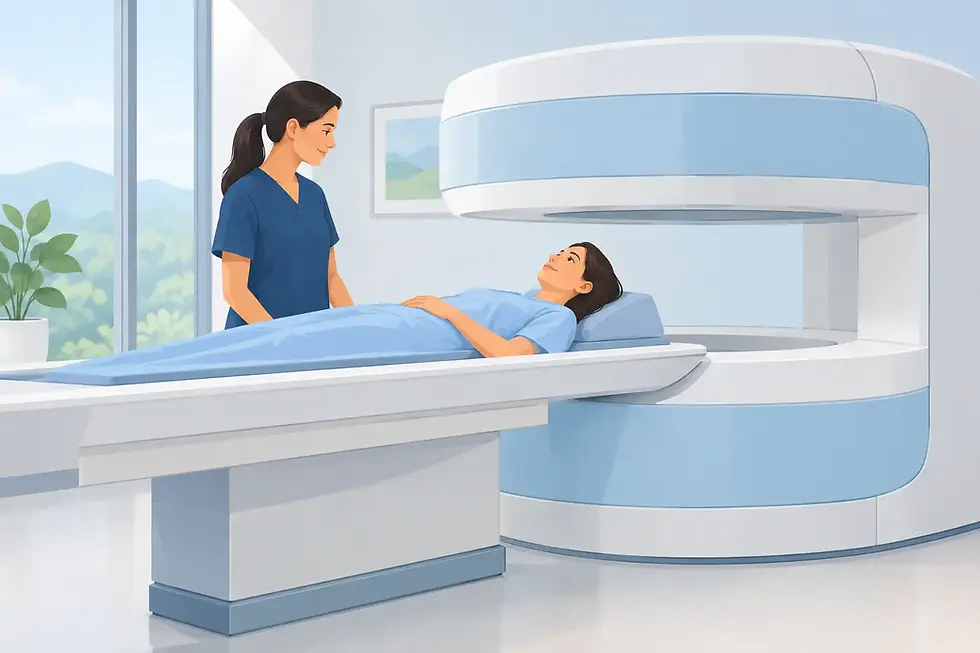
Mobile radiology services are designed to perform diagnostic exams where residents live. Depending on the clinical need and provider capabilities, services may include digital X-rays, general and vascular ultrasound, echocardiograms, EKGs, laboratory blood work, bone density testing, ankle-brachial index testing, fundus imaging, G-tube verification, and open MRI coordination.
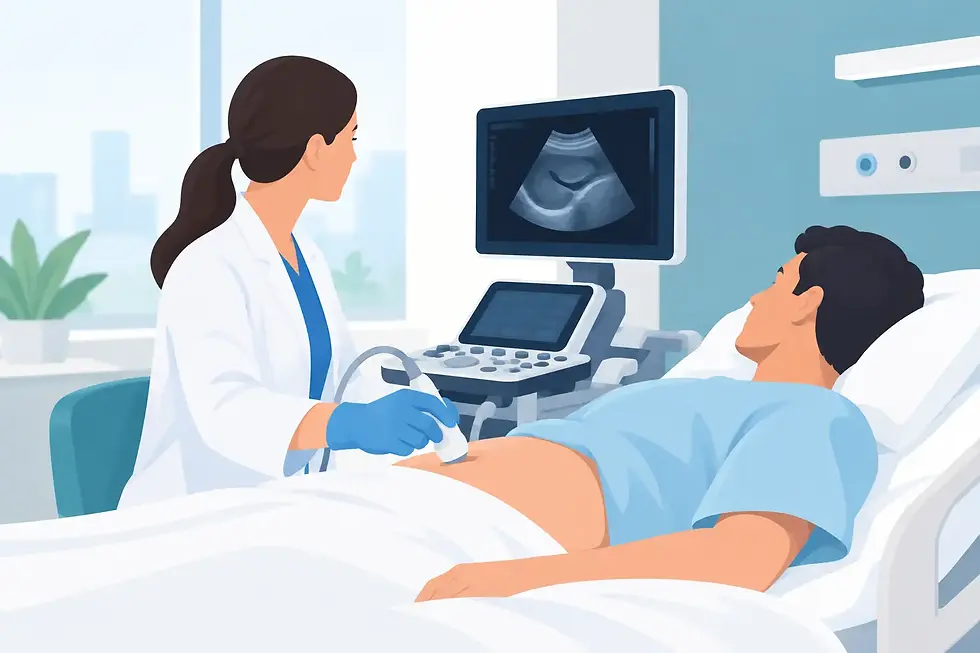
Portable digital X-rays are often used after falls, for suspected pneumonia, chest symptoms, abdominal concerns, or follow-up imaging. Ultrasound can help evaluate concerns such as extremity swelling, urinary retention, gallbladder symptoms, or vascular conditions. EKGs and echocardiograms provide valuable cardiac information when a resident has chest discomfort, palpitations, shortness of breath, or a change in cardiovascular status.
Not every symptom can or should be managed in place. A resident with signs of stroke, severe breathing difficulty, major trauma, uncontrolled bleeding, or another emergency still needs immediate emergency evaluation. The value of mobile diagnostics is in addressing appropriate, non-emergent clinical questions quickly while preserving a safe care setting.
Why Transport Is a Clinical and Operational Challenge
A trip to an imaging center can involve far more than a vehicle. Staff may need to arrange transportation, prepare records, notify family, coordinate mobility support, manage medications and meals, and assign someone to accompany the resident. For a person with dementia, oxygen needs, limited mobility, behavioral symptoms, or multiple chronic conditions, the trip itself can be exhausting and destabilizing.
There is also a facility-level cost. When a nurse or caregiver is pulled away to coordinate or attend an off-site appointment, other residents receive less attention. Delays can compound when transportation is unavailable, an appointment is missed, or a resident returns too fatigued to participate in normal routines.
On-site testing does not eliminate every follow-up need. Some exams require hospital-based equipment, contrast studies, specialist consultation, or urgent intervention. But when a portable exam is clinically appropriate, it removes a major source of delay and disruption.
Better resident experience without lowering clinical standards
A resident is generally more comfortable being examined in a familiar room, with known caregivers nearby. That familiarity can be especially meaningful for people living with cognitive impairment, anxiety, or mobility limitations. It can also reduce the risk of injury associated with transfers and prolonged time in unfamiliar environments.
Convenience alone is not enough. Facilities should expect qualified technologists, properly maintained equipment, secure handling of protected health information, and interpretation by credentialed physicians when applicable. The testing process must fit the resident's needs while maintaining the clinical standards providers depend on.
How On-Site Diagnostics Support Faster Decisions
The goal of assisted living radiology is not to replace the ordering provider. It is to give that provider timely, usable diagnostic information at the point of care.
Consider a resident with a new productive cough and low-grade fever. A chest X-ray performed on-site may help the provider determine whether the next step is treatment, monitoring, additional testing, or transfer. In a resident with unilateral leg swelling, a vascular ultrasound can help clarify whether the concern warrants an urgent change in the care plan. After a fall, an X-ray may help identify a fracture or support a decision about mobility restrictions and orthopedic follow-up.
Speed matters, but so does communication. A strong mobile imaging workflow includes clear order intake, accurate resident identification, timely exam completion, secure image delivery, and results routed to the appropriate provider. Digital provider portals can allow authorized clinicians to access images and reports without waiting for paper records to move between teams.
For facility leaders, the practical question is whether the diagnostic partner can respond when clinical needs arise, including after hours and on weekends. Delayed testing can mean delayed treatment, unnecessary uncertainty for families, or a transfer that might have been avoided with prompt information.
Building a Reliable Facility Workflow
Mobile imaging works best when it is planned before the first urgent request. A facility should establish who can place orders, how orders are submitted, what resident information must accompany them, and who receives results. The process should be simple enough for urgent use but structured enough to prevent missing information and avoidable rescheduling.
Start by identifying the ordering providers and their preferred communication methods. Confirm whether orders can be sent electronically, by fax, or through a secure intake process. Ensure staff know how to document the reason for the exam, relevant symptoms, mobility limitations, infection precautions, and any equipment needs such as oxygen or a wheelchair.
Facilities should also designate a primary contact for the imaging team on the day of service. This person can help verify the resident's location, explain the process, coordinate consent requirements, and make sure the ordering provider receives results. When families are involved in healthcare decisions, a clear communication plan reduces confusion and helps set expectations.
Questions to ask a mobile radiology partner
Before selecting a provider, assisted living leaders should evaluate more than the service menu. Response time, coverage area, reporting workflow, compliance standards, and reliability during high-demand periods all matter.
Ask whether the provider offers 24/7 availability, which modalities can be performed on-site, and how quickly images and reports are made available. Confirm that digital images can be accessed securely by authorized providers. It is also reasonable to ask about accreditation, HIPAA practices, technologist qualifications, physician interpretation, insurance handling, and procedures for urgent findings.
A broad service portfolio can simplify operations. Instead of managing separate vendors for X-rays, ultrasound, EKGs, echocardiograms, and lab work, facilities may benefit from a single diagnostic partner that can support multiple needs. That said, broad coverage should never come at the expense of communication quality or clinical reliability.
When Mobile Imaging Is Most Useful
On-site imaging is particularly valuable for residents who are homebound within the community, have substantial mobility limitations, require oxygen, experience confusion in unfamiliar settings, or need close supervision during travel. It is also useful for facilities working to reduce avoidable emergency department transfers while still responding appropriately to new symptoms.
Common use cases include post-fall assessment, respiratory complaints, suspected fractures, swelling or possible vascular concerns, cardiac symptoms, feeding tube verification, and routine monitoring ordered by a physician. Laboratory services can also support medication monitoring, infection evaluation, chronic disease management, and other care needs without requiring a separate trip for blood work.
Clinical appropriateness always depends on the resident's condition. Facility staff should follow provider direction and emergency protocols rather than treating mobile diagnostics as a substitute for urgent care. The right decision is the one that gets the resident to the appropriate level of care without unnecessary delay.
A Practical Partner for Assisted Living Teams
D-RAD Mobile Imaging provides on-site diagnostic imaging and laboratory services for assisted living communities and other care settings across its service areas. With digital X-rays, ultrasound, EKGs, echocardiograms, lab work, and additional diagnostic options, the focus is straightforward: bring timely testing to the resident when transportation is difficult, disruptive, or clinically impractical.
For care teams, the benefit is a more workable path from concern to diagnostic information. For residents and families, it can mean less travel, less stress, and more care delivered where the resident feels most secure.
The strongest assisted living diagnostic workflow is built before the urgent call arrives. When a facility has clear ordering procedures, a dependable mobile partner, and a shared understanding of when on-site testing is appropriate, staff can spend less time chasing logistics and more time caring for the people in front of them.
Comments